

Quick commerce in India is making headlines for its rapid reach and innovation. The sector is set to drive 15 percent of total e-commerce sales in the next decade as e-commerce itself expands to account for 18 to 20 percent of total retail in the country. Brands like Blinkit are aggressively pushing into Tier 2 cities and beyond, targeting 100 new cities and 2,000 dark stores by 2026. These numbers tell a story of transformation, but do they spell the decline of traditional media for retail brands shopping for high impact and superior return on investment?
Quick Commerce: New Opportunities and Rising Costs
Quick commerce platforms, which originally focused on daily essentials and metro customers, are now seeing all manner of products fly off virtual shelves. From smartphones and apparel to health goods and electronics, brands are urged to keep testing, iterating and scaling to optimise their product mix in this fast-paced environment. There is a full funnel media evolution in play here, with platforms deploying stories, pop-ups and even post-checkout ads to rival the heavyweights, making it easier to catch younger, explorative shoppers.
But there is a catch. Media costs on these platforms are climbing fast, reaching levels comparable to sponsorship spends for India’s largest sporting events. This kind of escalation is unavoidable when a channel promises speed and scale, but it places real pressure on brands to negotiate aggressively, automate budget allocation, and monitor campaign metrics very closely for profitability. As the GroupM “This Year, Next Year 2025” report states, “CPMs on Quick Commerce can rival IPL rates. The price of rapid growth? Unavoidable.”
The Traditional Media Advantage
At a time when digital Out-of-Home and programmatic displays are alluring with their promise of targeting and speed, traditional media channels can offer several advantages for brands seeking cost effectiveness and strong ROAS.
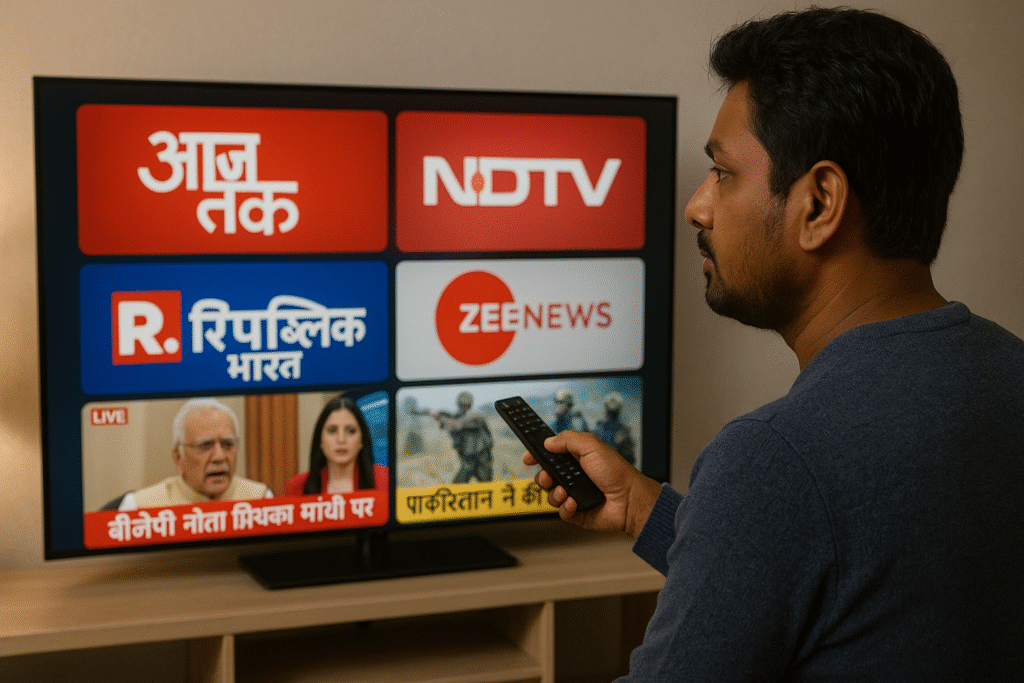
Connected TV in India, for instance, is anticipated to cover 65 million households by 2025, or about 30 percent of all TV homes. Its highest reach comes from outside metro cities. Compared to paid digital spots which must compete for prime time attention at premium rates, TV offers scale for every rupee spent. Advertisers can leverage regional news channels and general entertainment to build brand credibility and trust with audiences that may not be active quick commerce shoppers yet but are reliable consumers with aspirational purchase patterns.
“CTV advertising is the most impactful ad experience driving hyper-personalized and hyper-localized TV advertising solutions. This makes CTV the number one choice for advertising.” – Group M TYNY 2025 Report
News channels in particular stand out for their ability to drive engagement at lower costs. Their digital extensions provide brands access to measurable audiences with robust engagement while offering budget-friendly ad packages that can closely track conversion and ROAS. Because news is consumed habitually, branded content and sponsorships can generate sustained recall which complements the quick commerce need for impulse buying.
Improving ROAS With Smart Blends
A balanced marketing strategy is crucial for Indian brands. Quick commerce offers sharp targeting and high engagement, but costs can quickly erode margins if not managed strategically. On the other hand, traditional media remains unmatched for reach and cost-effectiveness, especially in non-metros and among older customers. TV and news outlets facilitate cost-effective frequency, build reputation, and support campaigns during high traffic periods such as festive shopping seasons.
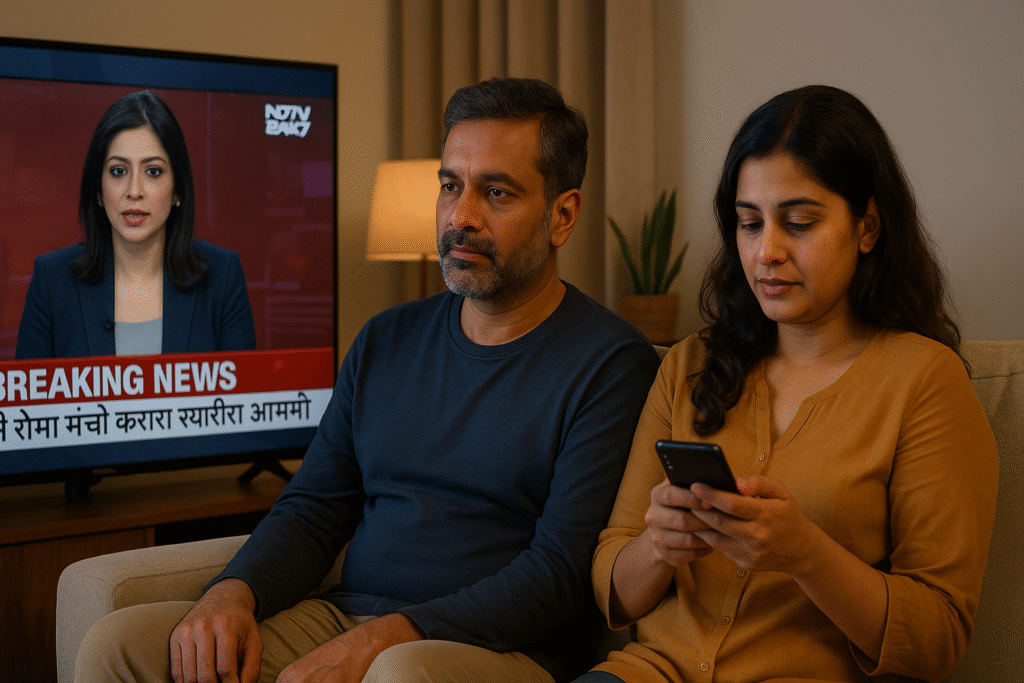
Brands that integrate traditional ad spends with data-driven quick commerce campaigns stand to benefit from lower overall acquisition costs and improved return on their advertising investments. For example, placing a product on a news channel followed up by targeted commerce platform ads can guide consumers down the funnel at much lower CAC than using digital media alone.
Increased automation in measurement and content management now gives brands a single view of all their media investments including offline spends. This technological advancement means the supposed gap between traditional and digital is narrowing, allowing marketers to refine KPIs for every rupee spent and ensuring that investments drive business together.
The Bottom Line
In the race for rapid growth, quick commerce will likely remain the engine driving digital adoption and product launches. But traditional media is not a relic. Indian audiences are diverse and multi-generational, and the credibility, reach and cost-effectiveness of TV and news outlets can go a long way in improving ROAS, supporting brand-building, and sustaining economic efficiency. Brands that strike the right balance will not just ride the wave of quick commerce growth, but do so profitably and with long-term customer loyalty anchored in trust and familiarity.