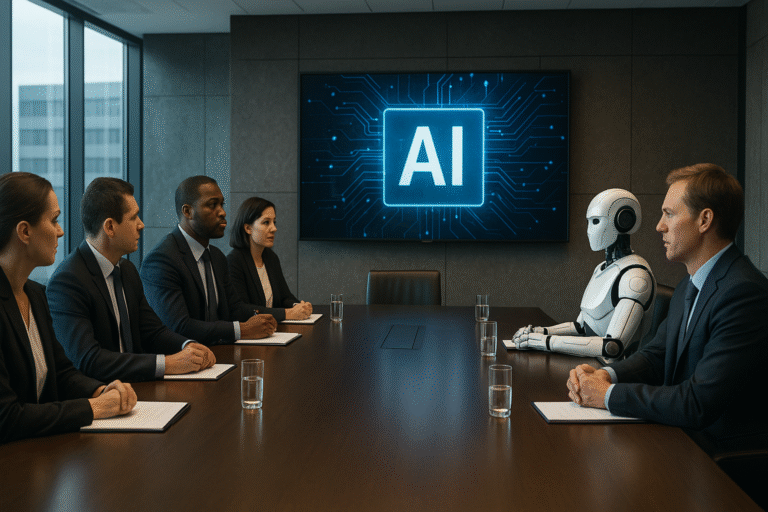


In the last two decades of observing digital transformation, I’ve witnessed countless technological shifts. But nothing has prepared me for what we’re building today: a civilization that’s systematically outsourcing human cognition to machines.
The pattern is peculiarly familiar. We automated physical labor, then created a multi-billion dollar fitness industry to artificially recreate what our bodies once did naturally. Now we’re doing the same thing with our minds, except we haven’t realized it yet.
The Cognitive Outsourcing Epidemic
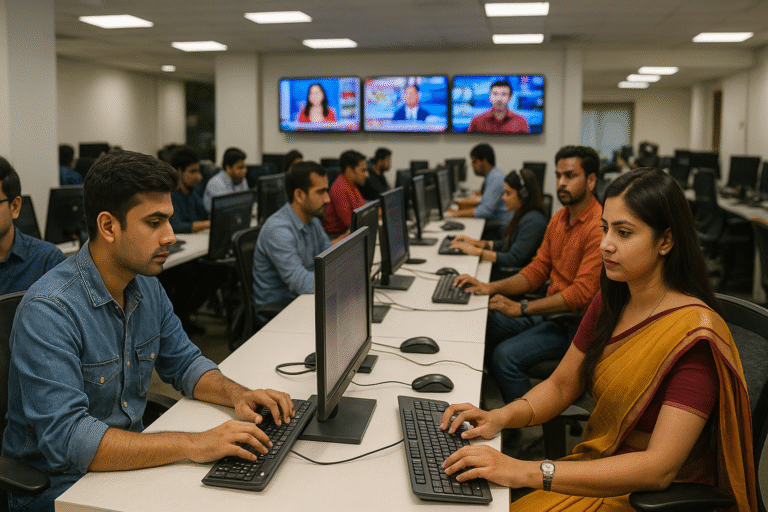
Walk into any Indian office today. Employees use ChatGPT to write emails, Grammarly to fix grammar, and Google to complete half-formed thoughts. I’ve watched seasoned journalists struggle to write without auto-suggestions, and engineering students ask AI to solve problems they could handle in their sleep just two years ago.
This isn’t just convenience. It’s cognitive dependency at scale.
The human brain operates on a simple principle: use it or lose it. When we stop exercising memory, attention, and analytical thinking, these abilities atrophy. We’re not just becoming reliant on AI; we’re becoming intellectually helpless without it.
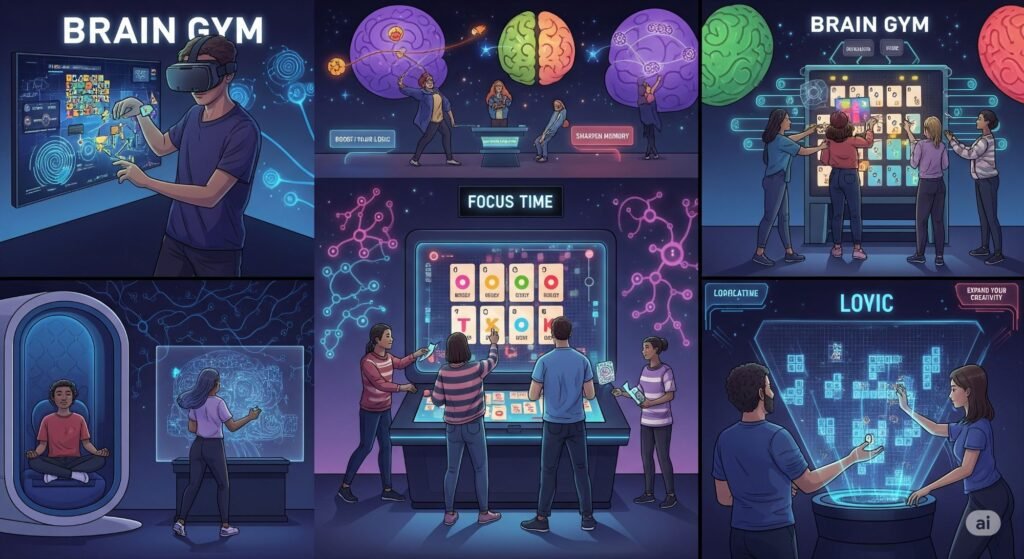
The Coming Brain Gym Economy
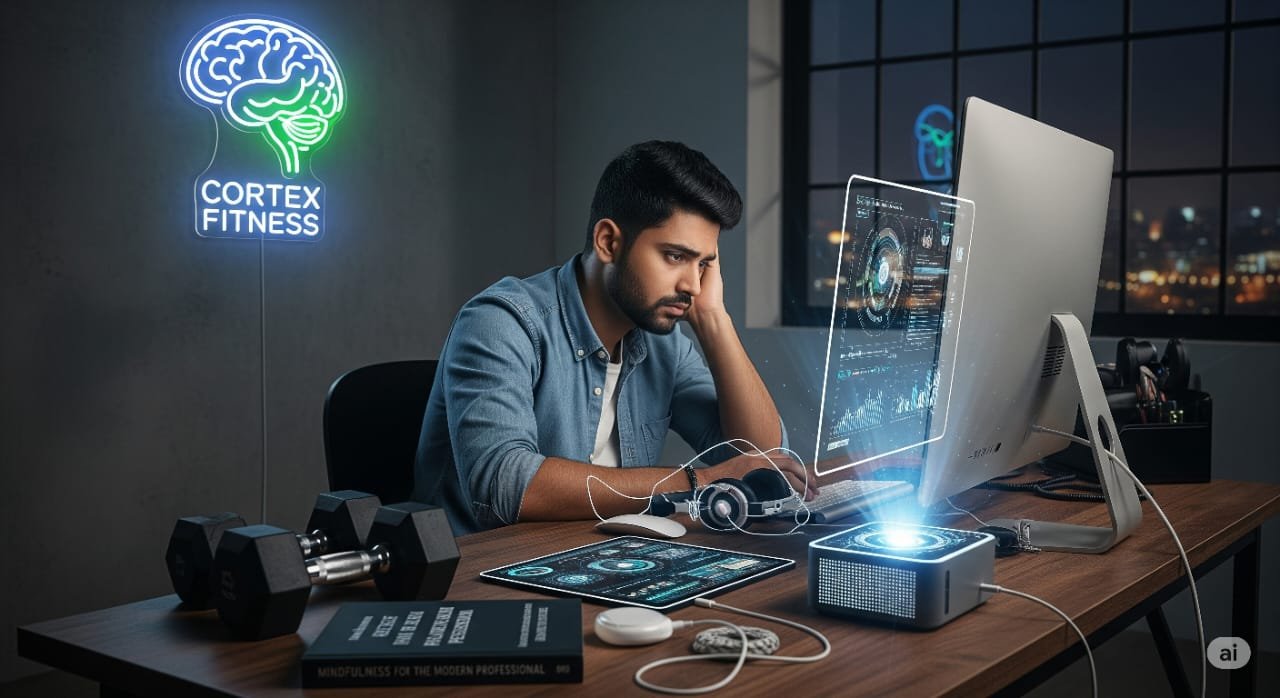
In a few years from now, mark my words, we’ll have “cognitive fitness centers” the same way we have gyms today. Picture this:
Memory Training Studios where professionals practice remembering information without digital aids. Sessions where people learn to concentrate for hours without notifications buzzing. Workshops where complex problems get solved with nothing but basic tools and human reasoning.
We’ll pay premium subscriptions for apps that deliberately limit our AI access, creating artificial scarcity for mental challenges we once encountered naturally. “Cognitive wellness coaches” will charge thousands to teach skills that were once as basic as reading.
The Systemic Risk
This isn’t just an individual problem. We’re building critical infrastructure on the assumption that AI will always be available, reliable, and aligned with human interests. What happens during server outages? Algorithm changes? Geopolitical disruptions?
We’re creating a society of digital dependents, as vulnerable as mall-goers who’ve forgotten how to walk long distances.
The Way Forward
The solution isn’t abandoning AI. That’s neither realistic nor desirable. What we really need is to consciously build mental exercise back into our work routines.
Start small. Do your math by hand sometimes. Write that first email draft without autocomplete jumping in to help. When you hit a problem, try reasoning through it yourself before asking an AI assistant.
The future belongs to cognitive bilinguals: professionals who can think both with and without artificial assistance. They’ll be the ones building and leading the brain gym economy while others become its customers.
The cognitive apocalypse looks a lot like convenience. Time to start exercising those mental muscles before it’s too late.