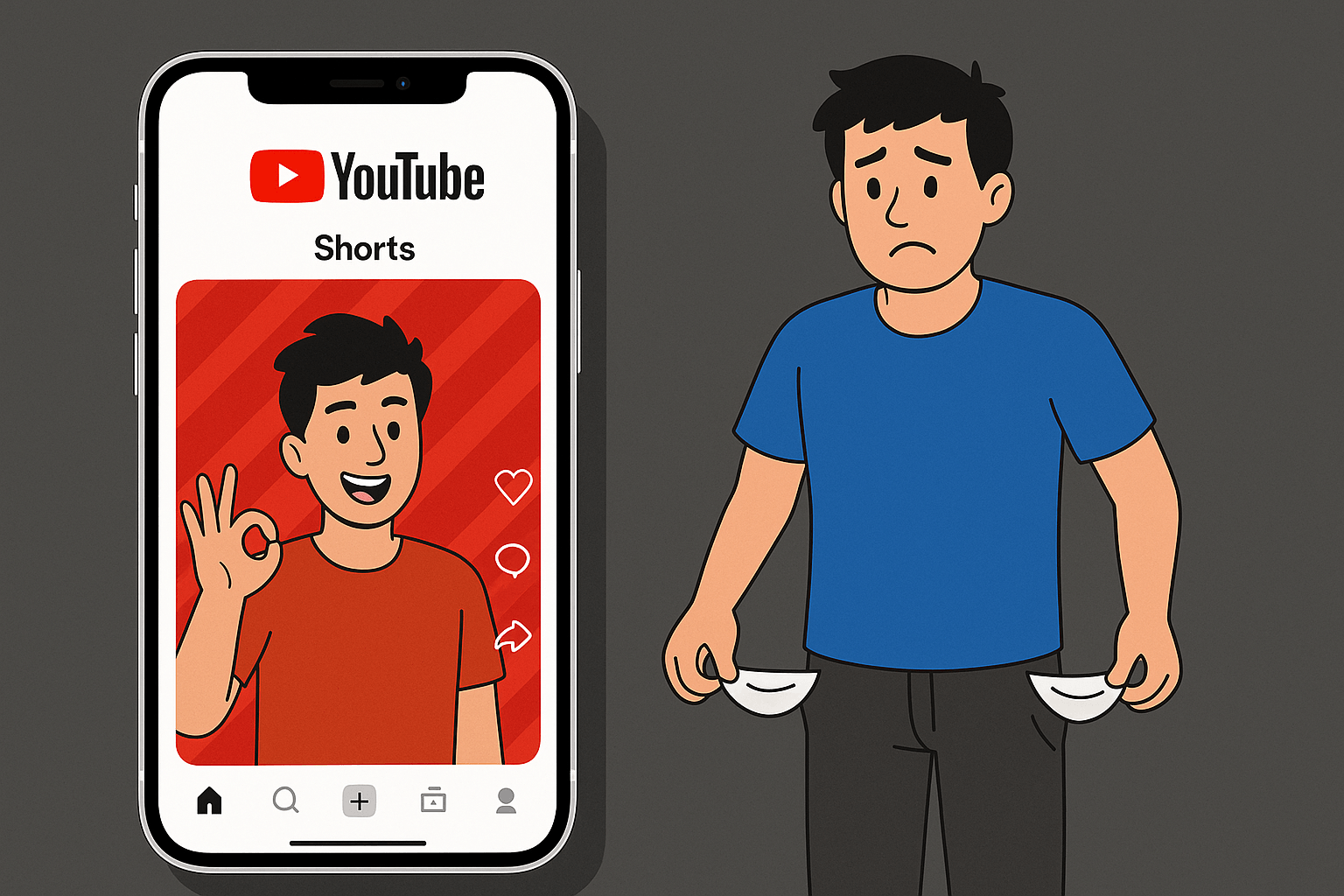


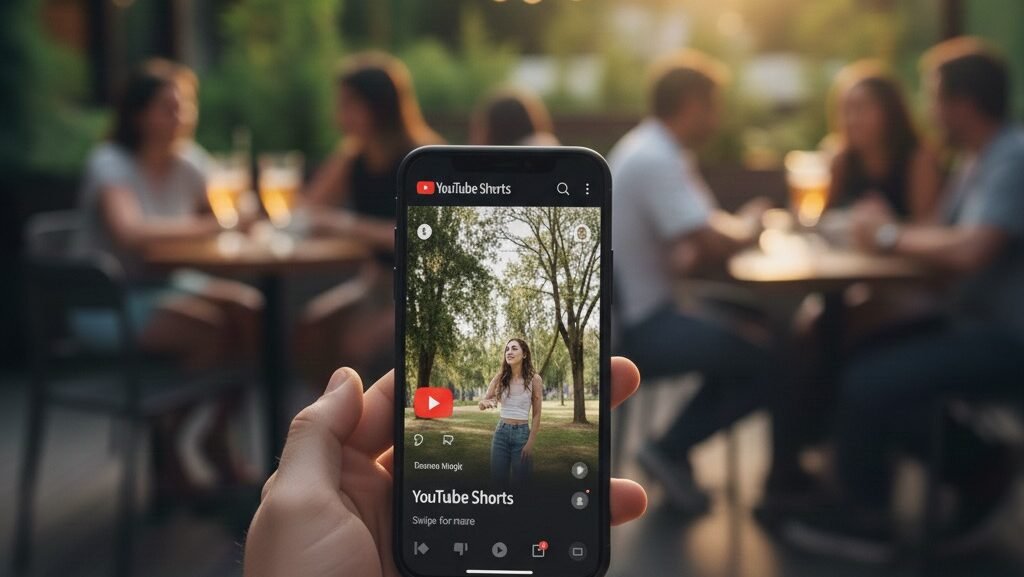
A recent empirical study conducted by the Goa Institute of Management in collaboration with Goa University establishes a clear and often uncomfortable truth for marketers. User Generated Content, particularly short-form creator videos, shows minimal to no direct impact on long-term brand building, despite years of aggressive promotion and ecosystem cultivation by platforms like Meta and YouTube.
This finding challenges one of the most repeated assumptions in digital marketing today.
The Creator Economy Push Has Not Translated Into Brand Equity
The creator economy did not grow organically. It was deliberately engineered by platforms to increase content supply, watch time and advertising inventory. Brands were encouraged to participate under the promise of authenticity and trust.
In practice, creator-led campaigns have largely delivered attention without attachment. Engagement spikes occur. Brand memory does not.
Creators gain reach. Platforms gain session depth. Brands rarely gain lasting equity.
Engagement Metrics Are Being Mistaken for Brand Outcomes
UGC performs well on algorithm-driven metrics because it is optimised for speed, relatability and novelty. Brand building requires consistency, narrative control and emotional repetition.
The Goa Institute of Management study shows that firm generated content has a direct and significant influence on brand engagement and brand equity, while UGC quality does not independently drive brand engagement. At best, UGC acts as an amplifier, not a creator of brand value.
This distinction is critical in India, where high consumption volumes can easily hide weak brand outcomes.
Why UGC Fails as a Brand Building Tool
UGC struggles structurally.
It is creator-first, not brand-first. It is episodic, not cumulative. It entertains, but rarely embeds emotional meaning. Most importantly, brands do not own it.
One viral reel does not build a brand. Repetition and coherence do.
The Indian Context Makes This Clearer
India remains a trust-led market. Brands that scale nationally are built through clarity of promise and consistent storytelling, not crowdsourced messaging.
UGC may demonstrate usage or relatability, but it does not define what a brand stands for.
Where UGC Actually Belongs
UGC is a supporting input, not a strategy.
It works for social proof, community engagement and short-term consideration when anchored to a strong brand idea. It fails when expected to replace brand-led communication.
The Bottom Line
The creator economy has been heavily funded and normalised by platforms. Its contribution to brand building, however, remains marginal.