
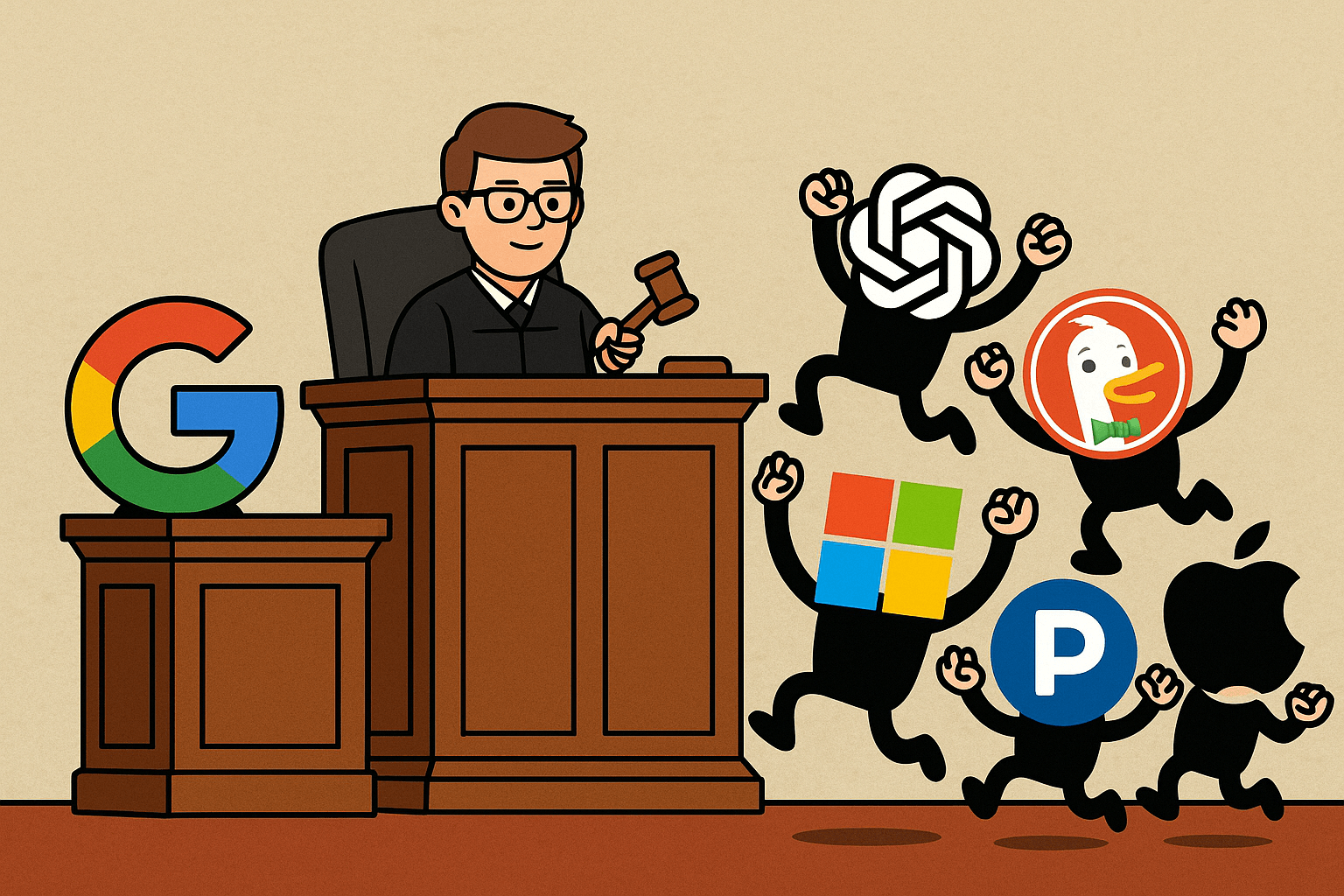
The long running antitrust case against Google finally reached a judgment this week, and the outcome is a classic mix of disruption and preservation. A federal judge stopped short of the most dramatic remedies but did hand down measures that could shift the competitive landscape in subtle but important ways.
The most significant piece of the order is the mandate that Google must share portions of its search index and some user interaction data with qualified rivals. That has the potential to make life easier for smaller search engines and emerging AI players that have long struggled against Google’s dominance. By opening the door to data, the ruling could spark fresh experimentation in how people discover information online.
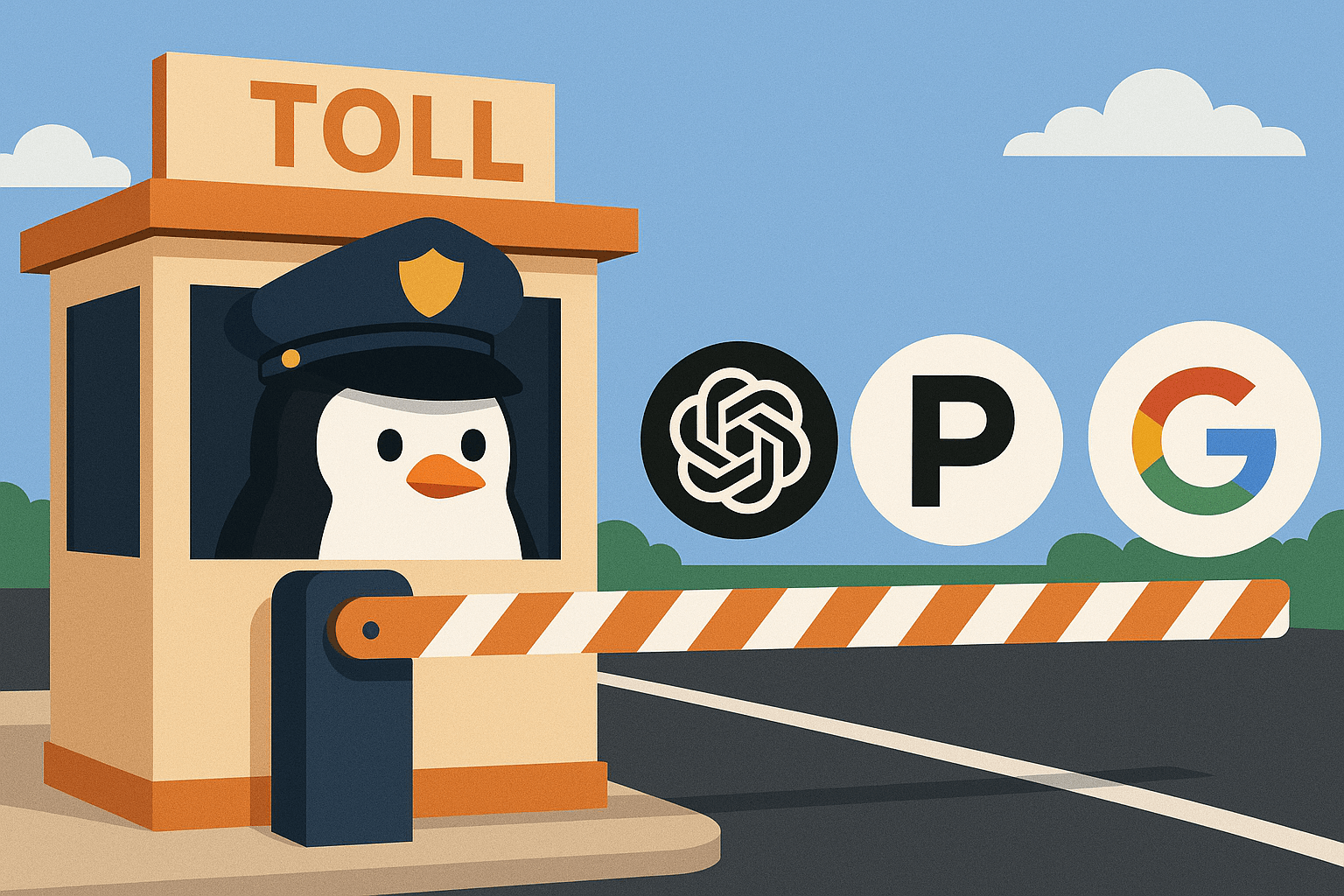
No Exclusive Deals
The court also barred exclusive distribution deals. That means Google can no longer lock in default positions across browsers and devices with contracts that prevent rivals from getting a shot. On top of this, the judge made it clear that Google cannot force its suite of apps onto Android device makers in a take it or leave it package.
But beyond those changes, much of the status quo remains untouched. Google will still be able to pay companies for default status, and Apple will continue to receive billions each year to keep Google as the default search engine on Safari and Siri. Defaults remain a powerful weapon, and the ability to buy those defaults ensures Google’s position will not be challenged overnight.
Markets Welcome Order
Investors celebrated the news because the harshest remedies were avoided. Google is not being forced to sell Chrome or Android, and Apple’s deal with Google remains secure. The judge also leaned heavily on the rise of AI search tools as a natural counterbalance to Google’s power, suggesting that technology rather than regulation might erode dominance over time.
The final picture is one of cautious reform. There is a genuine win in the requirement to share data, but also disappointment in the survival of payments and defaults that keep Google at the heart of the web.
Top five takeaways
- Data sharing is the clear win. Rivals can now access Google’s index and interaction data to build competing products.
- Exclusive contracts are off the table. Google can no longer block rivals outright from being defaults.
- Google apps cannot be forced on Android device makers, breaking a long standing bundling practice.
- Apple still gets paid. The billion dollar deal that keeps Google as the default on Safari remains intact.
- No breakup, no divestitures. Chrome and Android stay under Google’s roof and the core business model survives.
The ruling feels like a compromise between accountability and caution. It hands out new tools to challengers while leaving the financial plumbing of search largely unchanged. Whether those new tools are enough to spark real competition will depend on how quickly rivals seize the chance to use them.