
OpenAI has just announced ChatGPT Go for Indian users at ₹399, marking a dramatic shift in how global AI companies are approaching India’s price-sensitive market. This localized pricing strategy could finally make premium AI accessible to millions who have been priced out of the AI revolution.
The ₹399 Game Changer
ChatGPT Go’s ₹399 price point isn’t just another subscription tier. It represents OpenAI’s recognition that Indian users need a middle ground between basic free access and premium international pricing. At roughly the cost of a decent dinner out or a monthly streaming subscription, this pricing makes ChatGPT accessible to working professionals, college students, and small business owners who found the standard pricing too steep.
For a software engineer in Bangalore earning ₹50,000 a month, ₹399 feels reasonable for a productivity tool. For a freelance content writer in Jaipur or a startup founder in Pune, it’s an investment they can justify. This isn’t about charity pricing; it’s about finding the sweet spot where value meets affordability.
Following the Affordable AI Trend
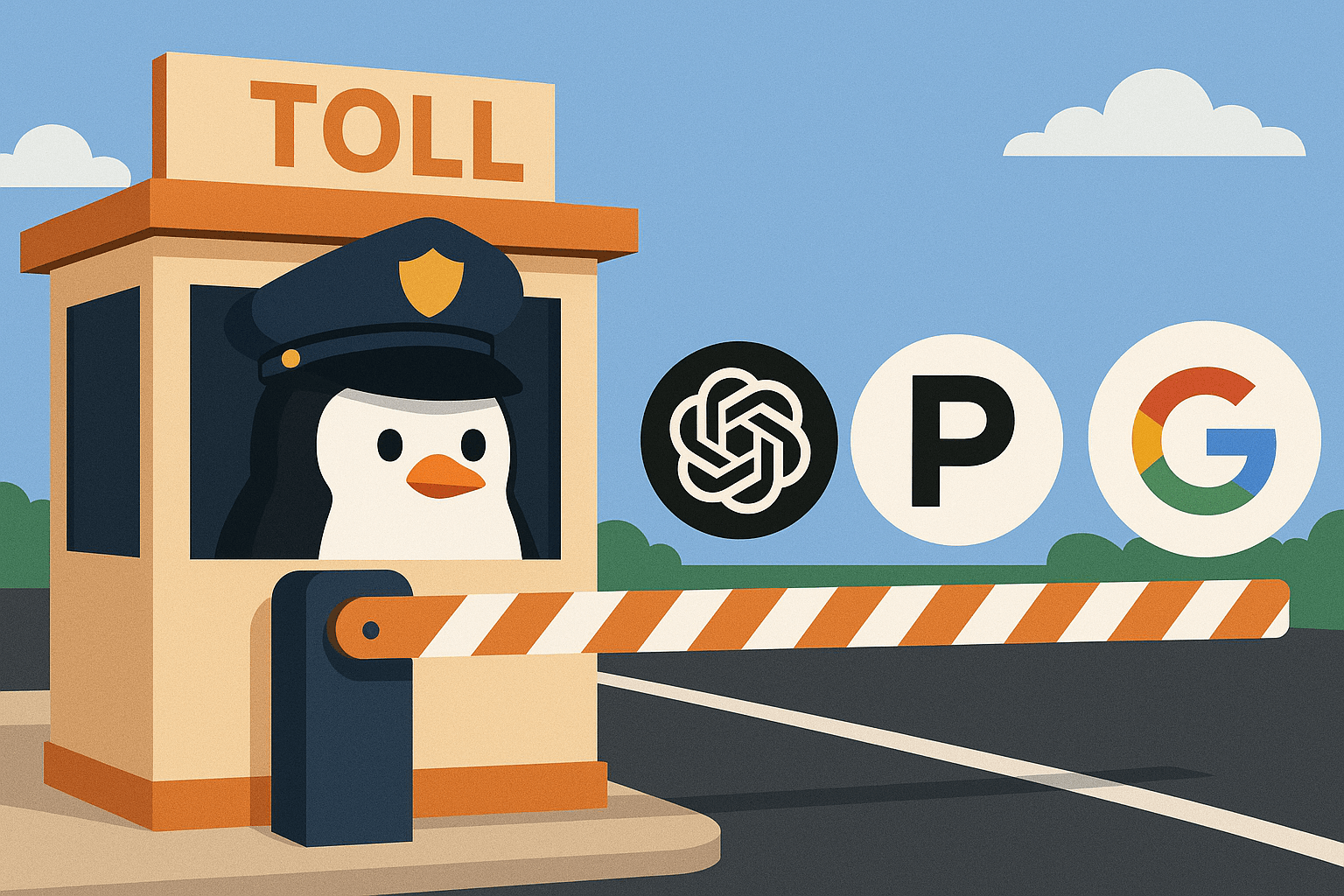
OpenAI’s move comes as other major players are also rethinking their India strategies. Google has been offering substantial student discounts on Gemini, making their AI tools accessible across India’s vast higher education system. Students from IITs to local colleges can now experiment with advanced AI without the financial stress.
Perhaps most cleverly, Perplexity has partnered with Airtel to offer free access to their AI search tool for subscribers. This bundling approach removes the payment friction entirely, making AI as easy to access as checking your data balance.
Why This Pricing Revolution Matters
These companies are betting that India’s massive user base will make up for lower per-user revenue through sheer volume. They’re probably right. India has over 750 million internet users, but most have been locked out of premium AI tools by pricing designed for Western markets.
ChatGPT Go at ₹399 could be the tipping point. When a tool becomes affordable enough that the decision shifts from “Can I afford this?” to “Will I use this enough?”, adoption accelerates rapidly. That’s exactly what happened with smartphone adoption in India, and streaming services, and countless other technologies that found the right price point.
Real Impact on Real Users
The implications go beyond just more ChatGPT users. A marketing professional in Mumbai can now afford AI assistance for campaign ideas. A teacher in Chennai can use it to create lesson plans. A small restaurant owner in Kolkata can get help writing social media posts. These aren’t hypothetical use cases; they’re the everyday applications that drive mass adoption.
The success of ChatGPT Go could pressure other AI companies to follow suit with their own India-specific pricing. Competition benefits consumers, and Indian users could soon find themselves with multiple affordable AI options to choose from.
The Bigger Bet
OpenAI’s ₹399 pricing isn’t just about the Indian market; it’s a test case for emerging markets globally. If ChatGPT Go succeeds in India, similar pricing strategies could roll out across Southeast Asia, Africa, and Latin America. India becomes the proving ground for whether affordable AI can achieve the scale needed to sustain these business models.
For millions of Indian users who have been waiting for their chance to join the AI revolution, ChatGPT Go represents something more valuable than just another app subscription. It’s proof that cutting-edge technology doesn’t have to come with cutting-edge prices to be transformative.