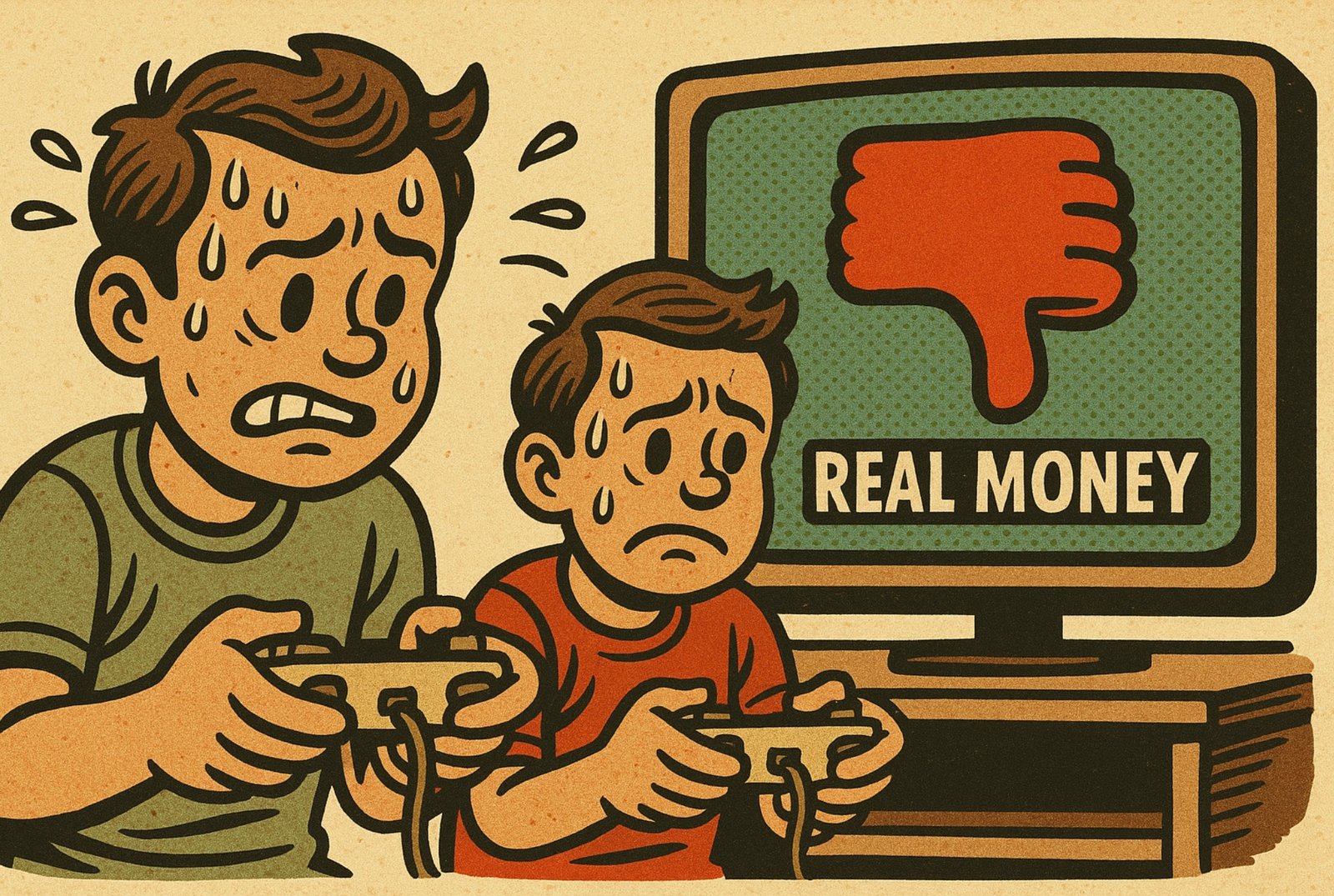
As I watched the government introduce a ban on real money online gaming in Parliament on August 20, 2025, I felt a mix of understanding and unease.
The rationale was clear: many young Indians were falling prey to addictive games, racking up debt and even facing tragic consequences. There have been harrowing reports of families losing their savings and of suicides linked to gaming losses. It is also true that some platforms were misused for fraud and money laundering .
So I understand why policymakers felt they had to act decisively to curb what they saw as a growing social evil.
Yet as someone who has tracked India’s tech startups, I cannot help worrying about the cost. Companies like Dream11, MPL, Zupee and WinZO, once celebrated homegrown successes, now face an existential crisis. These platforms anchor a multibillion dollar industry, but with one legislative stroke their model is now illegal. Overnight, thousands of jobs have been put in jeopardy. Industry groups warn the ban could wipe out over 200,000 jobs and shut down more than 400 companies.
The abruptness of the change also gives me pause. The bill sailed through the Lok Sabha in minutes with almost no debate, a regulatory whiplash that is worrying. Experts have long warned that moves like these undermine India’s reputation as a stable and predictable investment destination. With no transition period or prior signal, a thriving industry was plunged into chaos overnight.
Looking ahead, though, I do see a silver lining. The new law also encourages a pivot: it formally recognizes esports and even talks of making India a global hub for video game development. For some in the industry, this is a painful but ultimately positive turning point. One veteran said it safeguards our youth while unlocking the future of Indian gaming driven by original intellectual property. Rather than building betting apps, perhaps our talent can refocus on original games and a vibrant esports ecosystem.
In global context, India’s step is especially hardline. China, for instance, imposes strict limits on young gamers, restricting playtime to just a few hours per week. Europe and the United States mostly regulate and tax real money gaming under oversight instead of banning it outright. Our path is tougher by comparison, and whether it truly curbs harm or merely drives the problem underground remains to be seen.