

Not very long ago, sending something urgent meant going to the post office or waiting for a courier agent to show up. Today, groceries reach homes in 20 minutes and a smartphone booked online gets delivered in small towns in just a couple of days. This is the new face of India’s express industry.
The sector has moved far beyond envelopes and documents. It now powers e commerce, fast commerce and direct to customer businesses. As the KPMG report Express Industry in India: Powering India’s Economy, Connecting Businesses and Markets says, “The advent of e commerce, growth of MSMEs, increasing customer preference for time bound deliveries and technology advancements were gamechangers in the growth story of the express industry.”
What is striking is how deeply this change has touched everyday life. A student in Muzaffarpur ordering textbooks online, a family in Ranchi depending on doorstep medicine delivery, or a young professional in Bengaluru booking same day delivery for fashion accessories are all part of this express revolution.
“The increasing number of Gen Z and Gen Alpha consumers will drive the growth of e commerce and quick commerce. Meeting shorter delivery timelines and expanding reach beyond metro and Tier I cities will be crucial.” – KPMG Report
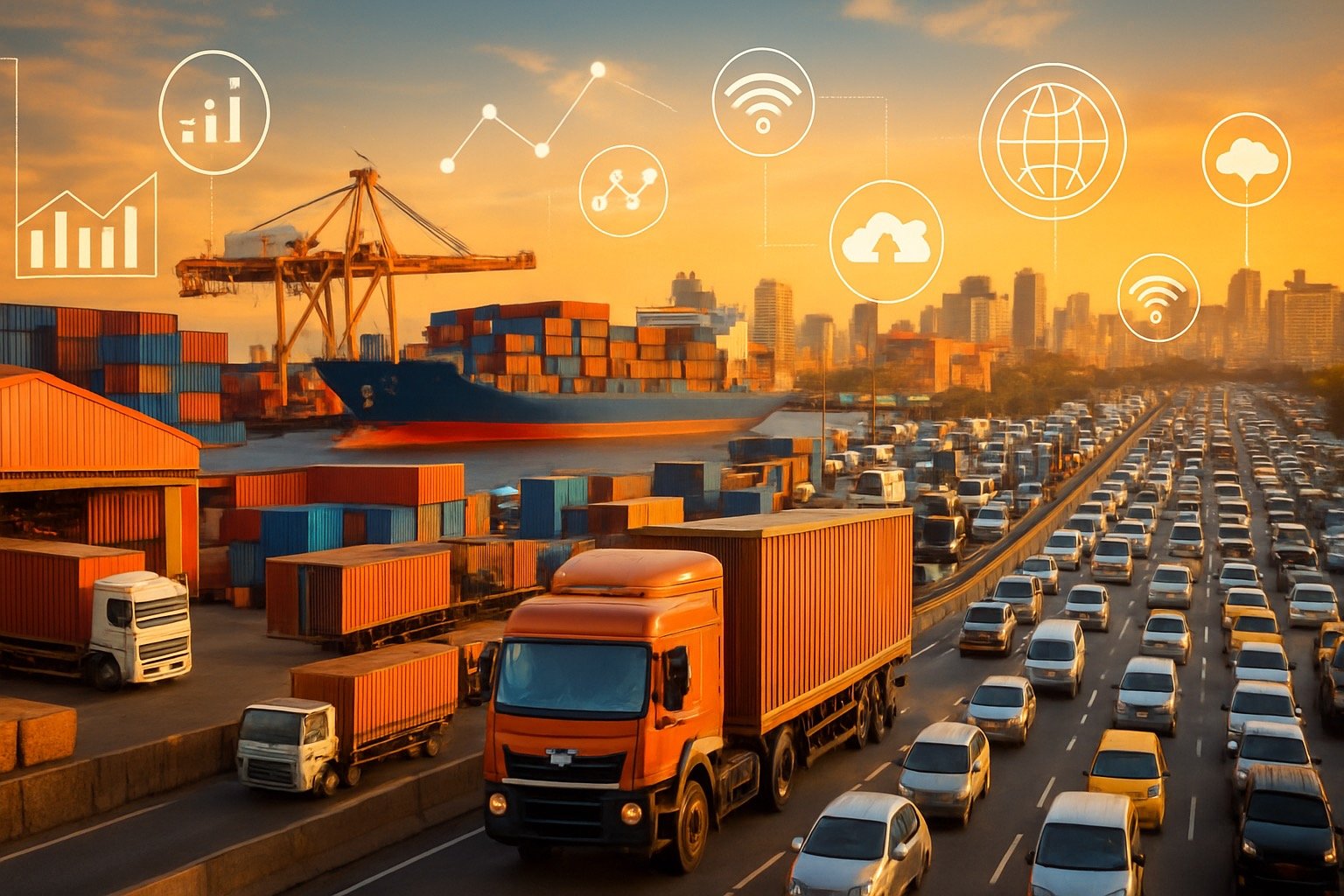
Technology and better infrastructure have played a big role. Tracking parcels in real time, automated warehouses, GST removing border delays and the spread of highways and cargo hubs have made deliveries faster and more reliable.
The numbers tell their own story. The industry has grown from about USD 3 billion in 2017 to USD 9 billion in 2025 and now provides work to almost 3 million people.
From helping a college goer send a last minute gift to ensuring a shopkeeper in a Tier 2 city gets his stock on time, the express industry has quietly become part of everyday Indian life. It is no longer about moving parcels. It is about moving India forward.