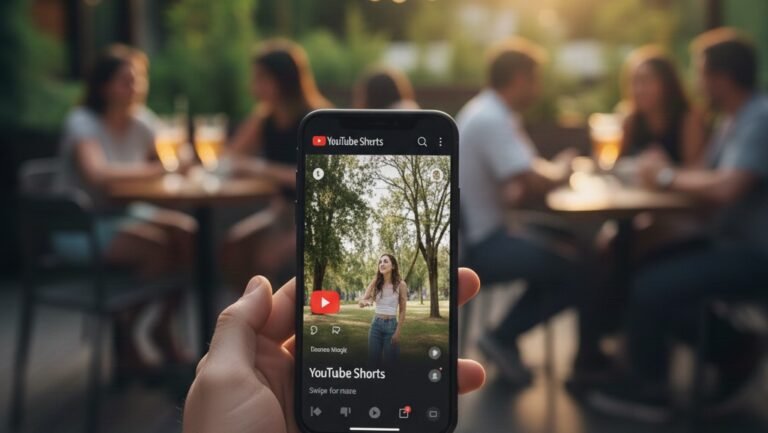


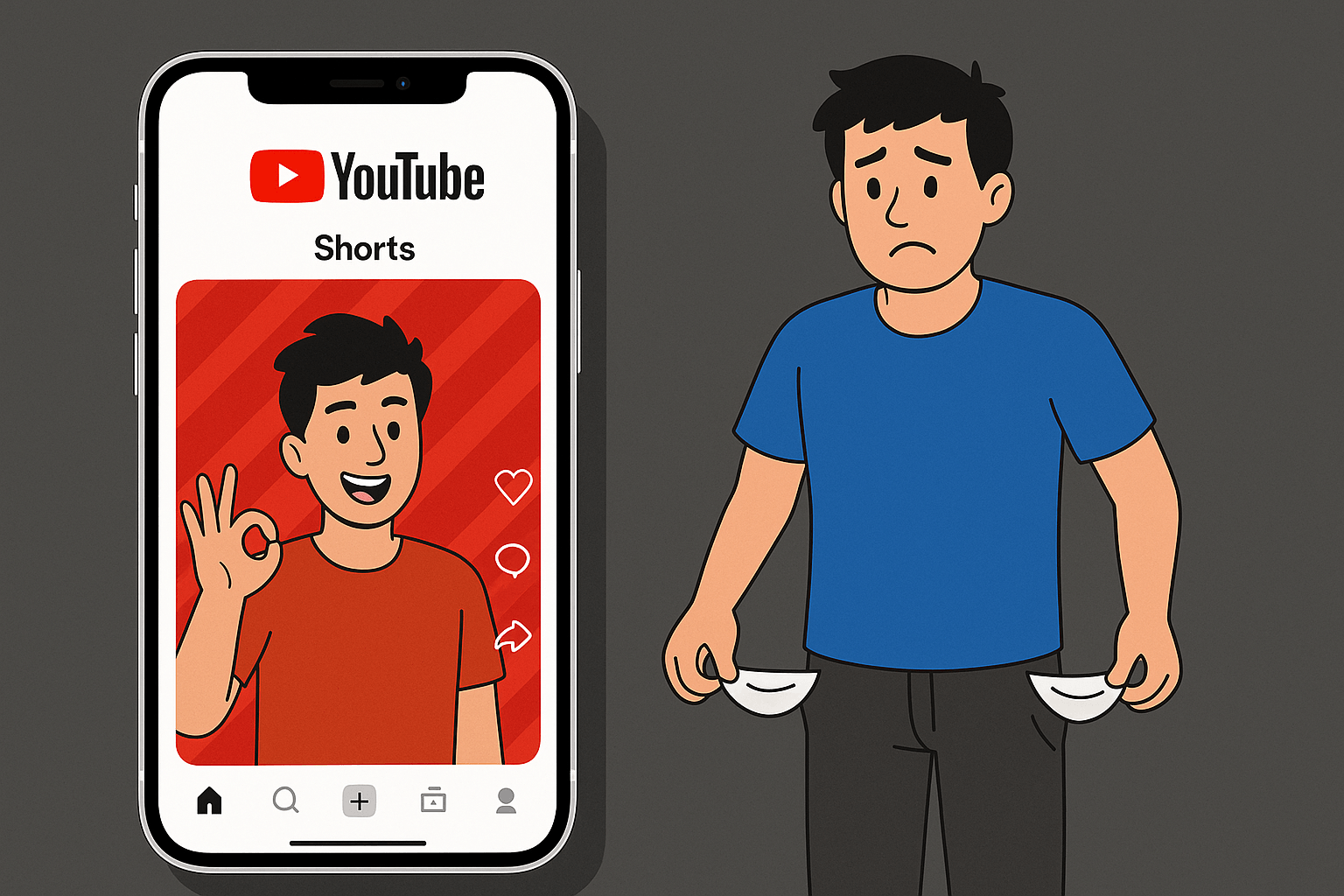
“Shorts viewership on Connected TV in India has more than doubled year on year, with over 650 million logged in users monthly.”
Great headline. Impressive number. Big reach. A YouTube executive dropped this line in a recent Brand Equity interview.
But here is the real issue. You say viewership is exploding, especially on the big screen, yet there is no clarity and no fairness in monetisation. Shorts continues to be treated as the poor cousin of traditional video on demand when it comes to ad revenue. Creators are left picking crumbs while the platform basks in phrases like “massive reach” and “CTV dominance.”
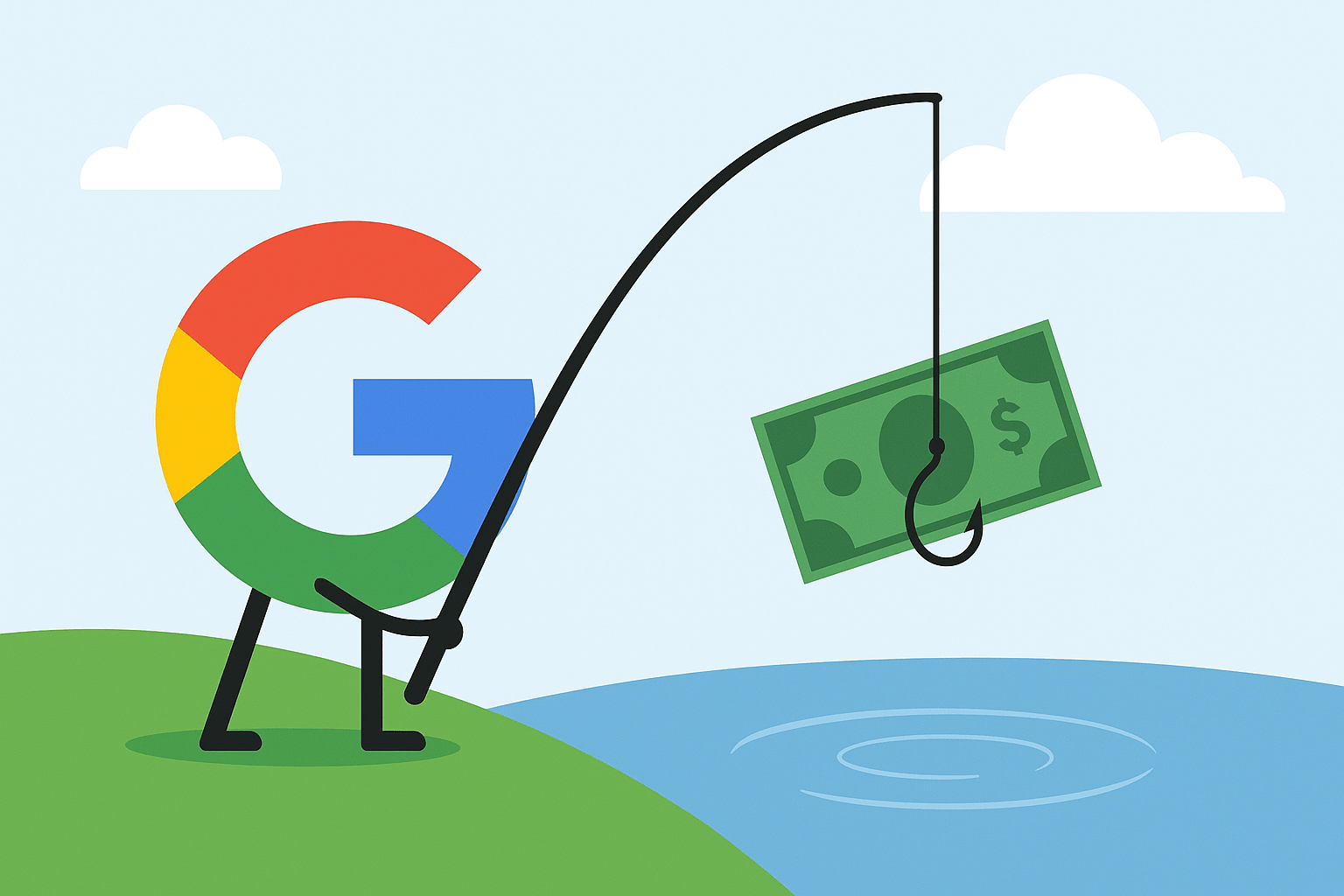
Why is this such a problem? Because reach without revenue is an empty win. If you do not pay creators fairly, if you do not reward them proportionally, the whole system becomes hollow. Shorts still earns only a fraction of the RPM that long form video does. That is the unspoken reality. Everyone knows it, yet YouTube keeps boasting about growth, screens, and watch time.
It feels hypocritical because:
- You are celebrating how Shorts is being consumed on a massive scale, including on television screens, and how viewing behaviour is shifting. Fine, let us assume that is true.
- But at the same time, you are doing very little to close the gap on monetisation. Long form video gets better RPM, stronger ad products, and more advertiser trust. Shorts lags far behind. Creators who depend on Shorts for reach get almost nothing in return.
- Without fair revenue, many creators are forced to chase long form content or move elsewhere. Shorts may bring in audiences, but it does not pay the bills. Creativity gets stifled instead of being encouraged.
So what should YouTube do if it truly means what it says?
- Publish transparent monetisation metrics for Shorts, just like you do for long form. Show what the RPM is, how ad revenue is shared, and what difference it makes on television versus mobile.
- Raise the baseline revenue for Shorts so that creators are rewarded in line with watch time, engagement, and retention, especially when content is shifting to bigger and more premium screens.
- Introduce better rewards for creativity, whether that is bonuses, new ad formats, or premium ad dollars for content that performs.
- Align incentives clearly. If you are pitching advertisers with “CTV strategies” and “full stack festive campaigns,” then creators need to see those dollars as well.
- Communicate openly with creators. Do not keep talking about reach and user numbers without giving clarity on revenue.
Yes, it is fine to say Shorts viewership has doubled on Connected TV. But unless YouTube backs that up with fairer monetisation, better revenue sharing, and clearer communication, it all rings hollow. Reach without compensation is exploitation dressed up as progress. Creators deserve more than applause and view counts. They deserve their fair share of the upside.