Digital publishers are facing a turning point. Google’s steady shift toward zero click search threatens to upend the economics of journalism. What once drove traffic, brand visibility and revenue is increasingly being replaced by results that give users what they need without ever sending them to the source.
This is not a distant concern. Research already shows that nearly seven out of ten searches now end without a click. Referral traffic to premium publishers has been declining, while features such as AI overviews, snippets and summaries offer ready-made answers that bypass publisher websites. Every click that disappears is a reader not reached, a subscription not considered and an ad impression lost.
Why this matters
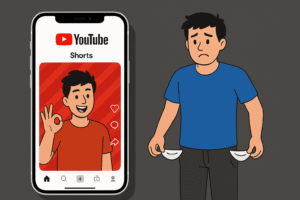
The immediate effect is financial. Advertising models depend on volume. When volume falls, revenues collapse. Affiliate marketing follows the same pattern.
The second effect is on brand. If Google surfaces our content but keeps the user on its own page, publishers lose visibility. The audience consumes the information without ever registering the identity of the source. That erosion of brand equity is more damaging than it first appears. It weakens the long-term bond between reader and newsroom.
The third effect is cultural. Smaller and niche publishers will find it harder to justify investing in specialised or investigative content if discovery shrinks. The web risks becoming narrower, less diverse and ultimately less useful.
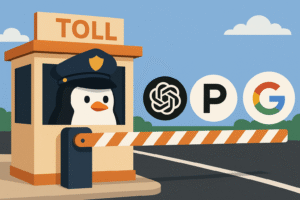
Finally, the imbalance of power widens. Google sets the terms, uses our work, decides how it is displayed and keeps the lion’s share of the value. The journalism that fuels public conversation risks being treated as raw material rather than as a service worth sustaining.
Lessons from India
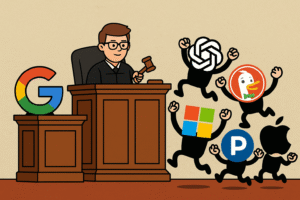
Some relief can come through regulation. In India, the Digital News Publishers Association took the issue to the Competition Commission, alleging abuse of dominance by Google in both search and advertising.
The complaint pointed out that snippets and previews satisfy user queries without sending traffic to publishers and that revenue sharing terms remain opaque.
The CCI concluded that there was a prima facie case of unfair practices and imbalance of power. That acknowledgment matters. It is a precedent that can inform global efforts for licensing frameworks, transparent revenue splits and fair compensation.
What publishers must do
Regulatory clarity will take time, and collective bargaining is not easy in an industry that is often fragmented. Publishers must therefore strengthen direct ties with readers to reduce dependence on platforms.
There are proven routes available. Email newsletters can deliver value directly to inboxes. Membership and subscription models can provide revenue along with a sense of belonging. Mobile apps, if engaging and well designed, can become daily companions. Communities on social platforms can extend conversations beyond headlines. Events both virtual and physical can create bonds that survive beyond a single news cycle.
First party data offers a way to personalise content responsibly while building trust. Licensing and syndication can ensure that content is used under fair agreements. Above all, success should not be measured only in raw clicks but in loyalty, retention and repeat engagement.
A collective test
The rise of zero click search is not just a change in technology. It is a test of whether journalism can retain its value in an ecosystem dominated by platforms. If publishers act together, demand fair terms and invest in direct relationships, the profession can adapt and thrive. If not, much of what makes the digital public sphere vibrant could fade into obscurity.
Journalism has always survived moments of disruption by adapting. This is another such moment. The question is whether we act quickly and collectively enough to ensure that the work of reporting and storytelling continues to be visible, valued and sustainable.