




I have always believed that innovation and respect for creators need not be at odds. Yet, as I watch generative AI chatbots crawl publishers’ data without permission, I feel a growing urgency to defend journalism and the hard-pressed publishers both in India and abroad.
Recently, Anthropic quietly settled a lawsuit with a group of US authors, who had accused the company of using pirated books to train its Claude models. Although a court had previously ruled that the usage was fair use, the books’ pirated status still exposed Anthropic to legal risk, leading to the settlement, the details of which remain undisclosed. This case in itself highlights a central problem with generative AI today. The disregard for licensing and the easy impersonation of human authors through data that was neither licensed nor fairly obtained.
This concern echoes powerfully in Asia. In Tokyo on August 26, 2025, two of Japan’s leading media companies Nikkei and the Asahi Shimbun jointly filed a lawsuit against Perplexity AI. The publishers claim the AI startup stored and reproduced their paywalled content without permission, and circumvented technical safeguards like robots.txt meant to block unauthorized crawling. They seek deletion of the content and around 2.2 billion Yen in damages.
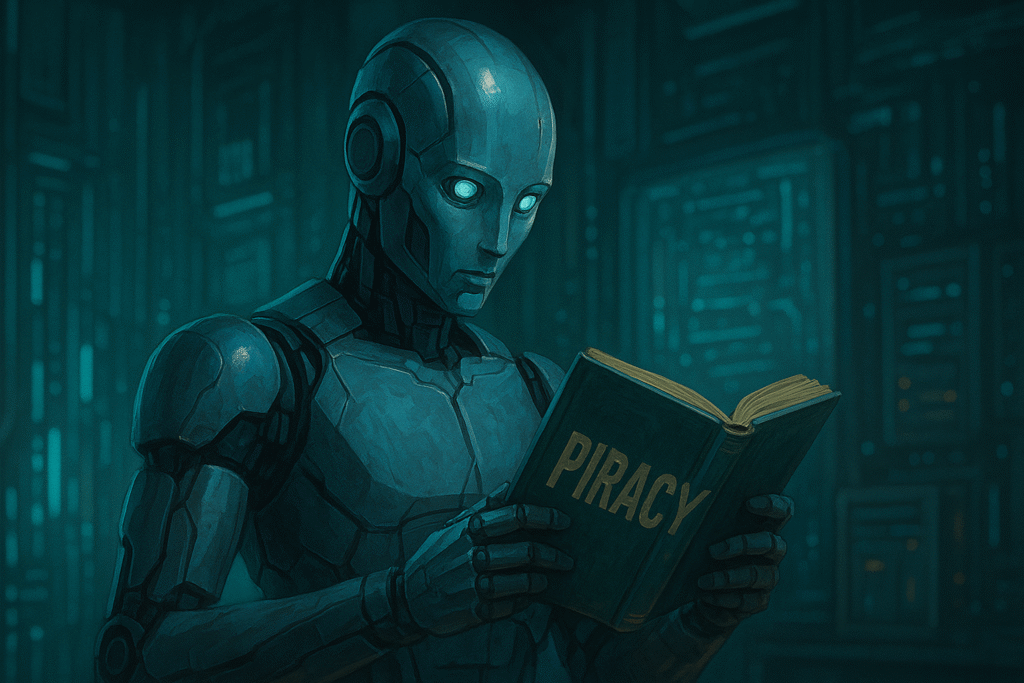
Unlicensed Content Usage for AI Model Training
Their complaint is not limited to theft of revenue it is also about credibility. They argue some AI generated answers misrepresent or distort their articles damaging their reputation. This is not just concern for profit but fear for truth.
Publishers in India are already under mounting pressures of business sustainability and digital transformation. Several media outlets have already taken legal steps against OpenAI and others for unauthorized usage of their content.
The cost of journalism is high and so is its value. There is no moral justification for companies building AI on stolen or unlicensed material. We must demand that generative AI be built on a foundation of transparency and fair compensation.
AI is powerful and transformative. But its power gains legitimacy only through consent and fair deal making. If we lose sight of that then we risk a future in which truth and creativity diminish behind an illusion of synthesized convenience.